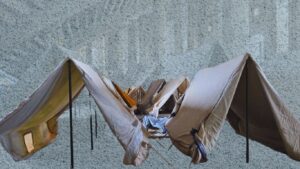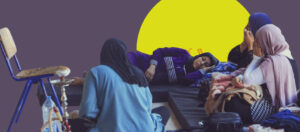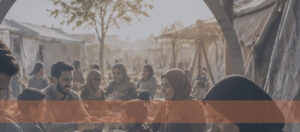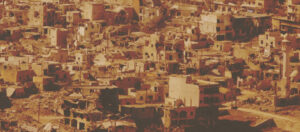







Two weeks have passed since the forced displacement endured by the people of the south as a result of shelling and airstrikes targeting their towns. Thousands of them are still searching for shelter centers or rental homes at affordable prices.
In the city of Sidon, thousands of families have taken refuge in rented homes or with friends and relatives. So far, there are no precise statistics on the number of people residing in homes, but the Emergency and Disaster Committee in Sidon estimates the number to exceed 13,000 people. It has also been observed that some families are still living in cars, despite ongoing efforts and decisions to set up tents in several hosting centers across the city to accommodate them.
After two weeks of displacement, the number of hosting centers in Sidon has reached 24 centers, comprising 666 rooms (including large halls), accommodating 3,018 families totaling 12,259 individuals.
Despite media reports about central and regional meetings held since the beginning of the year to prepare for potential disasters in Lebanon, it has become evident that no serious official preparations were undertaken. There was no stockpiling of essential supplies for displacement scenarios, nor were centers properly equipped to handle such situations. Field observations in several hosting centers in Sidon revealed that many displaced individuals spent more than two nights sleeping on bare floors.
The number of hosting centers in Sidon has reached 24, accommodating 3,018 families.
To this day, there remains a shortage of more than 1,500 blankets and approximately 1,500 mattresses. However, the most critical issue is the absence of pillows, with the current need estimated at around 9,000 pillows.
As for hot meals, the number provided by organizations and associations—most of them local—falls short by approximately 3,000 meals per day. The centers are also experiencing a severe shortage of potable drinking water.
Regarding water for daily use, the centers are unable to supply the required quantities. Some rely on firefighting water tanks, and most lack hot water for bathing. It was also reported, after consulting several residents, that water had been cut off for three consecutive days in one center hosting around 1,000 people.
It is worth noting that some centers have kitchens, but the displaced lack the basic materials needed for cooking. The centers also suffer from a shortage of cleaning supplies necessary to maintain the hygiene of rooms, bathrooms, and stairways.
As for electricity—now a distant dream for many displaced people—most centers are equipped with solar panels, but these are insufficient even for lighting. Although generators are available in most centers, there is a critical shortage of diesel fuel. Currently, the centers require approximately 7,000 liters of diesel, with no available supply.
On the medical front, primary healthcare centers conduct regular visits and provide necessary examinations. However, they do not supply all required medications, limiting themselves to available stock. This forces displaced individuals to purchase some medications themselves, while local associations provide limited additional support.
Most centers have solar panels, but they are insufficient for lighting.
There is also a noticeable presence of individuals with disabilities who require special care. The centers are in need of more than thirty wheelchairs, as well as water mattresses. Local organizations are attempting to provide what they can. Additionally, there is a shortage of infant formula, baby diapers of various sizes, and an emerging need for adult diapers.
Hosting centers have begun to witness various activities for children, organized by local associations in coordination with center administrations. Residents themselves are also contributing to organizing daily operations, particularly in maintaining cleanliness.
In Sidon, a strong relationship is evident between associations and the entities managing the centers—most of which are public schools and colleges—and their official administrations. These associations also maintain continuous coordination with the Municipality of Sidon, which provides assistance within its available capacities.
Meanwhile, the local community continues to act from a sense of civic responsibility, supporting and assisting displaced fellow citizens who hold onto a single hope: the hope of returning to their homes and lands in the south.