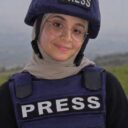




On the sixth of May every year, Lebanon celebrates Press Day, with ceremonies organized and many journalists and media professionals honored. This year, however, the occasion comes as journalists and media workers are exposed to the harshest forms of persecution, killing, and assassination while covering events in southern Lebanon, where they attempt to convey the free word and the real image of the destruction, airstrikes, and complete erasure of southern towns.
Yet these journalists and media professionals do not represent the entire media body, nor do they find anyone to protect them after international laws and conventions have turned into little more than “salon talk,” while force and repression have become the foundation of international policies. Those responsible for killing and assassinating hundreds of journalists and media workers in غزة فلسطين and southern Lebanon direct accusations at them that, in reality, serve as badges of honor and recognition for exposing the truth of the massacres being committed.
Journalism means carrying “people’s stories to the people.” It means conveying the reality of what is happening and presenting the perspectives of all concerned parties. Lebanon, which is passing through a critical phase, requires all media professionals to work toward one objective: defending one land and one people, while building an objective media foundation capable of supporting state-building and the implementation of laws from a purely professional standpoint, regardless of the editorial policies of each media outlet.
This year’s anniversary comes as journalists and media professionals
are exposed to the harshest forms of persecution while covering events in southern Lebanon
However, anyone following Lebanese media across its different levels can see how the media landscape has transformed into destructive chaos, while officials responsible for the sector remain absent from oversight and accountability, caring only about appearing on television under the slogan of self-promotion. Due to the absence of an independent judiciary and its subordination to ruling powers, courts and relevant institutions have become tools for intimidating and manipulating many journalists. Media institutions themselves have also disappeared from meaningful action. The Ministry of Information limits itself to statements and public positions, immersed in a policy of “it’s none of my business” under the pretext of media freedom, without taking any real steps to regulate the chaos that has turned some media outlets and social media platforms into a societal disaster that deepens vertical divisions, raises the level of hate speech, and threatens civil peace.
The media has turned into destructive media chaos, while officials responsible for the sector remain absent from oversight and accountability
This chaos, managed by the parties of a quota-based political system, has transformed journalism and media from a fourth estate monitoring the three branches of power into a tool used by those very competing authorities. Even the simplest news story is now shaped according to interests, questioning the patriotism of anyone who disagrees with the policies of the outlet they work for, and branding opponents as traitors.
If the policies of Lebanon’s social and political groups rely on seeking strength from foreign powers, then some media owners benefit from this system and become “war profiteers,” while ordinary journalists and media workers are forced to operate within these policies simply to secure a living, often at the expense of their professionalism.
On this occasion, it is necessary to question the purpose of the existence of the “National Media Council,” which was established on the basis of sectarian quotas. The council’s mandate expired years ago, yet it has turned into an office for granting licenses to websites and online pages in exchange for a handful of dollars, despite this task lying outside its legal authority.
On the anniversary of Press Day, and under these circumstances, we call for international legal protection for our correspondents and media professionals in the south against Israel’s criminal policies, while also demanding commitment to journalistic professionalism and ethics.
This report is supported by: