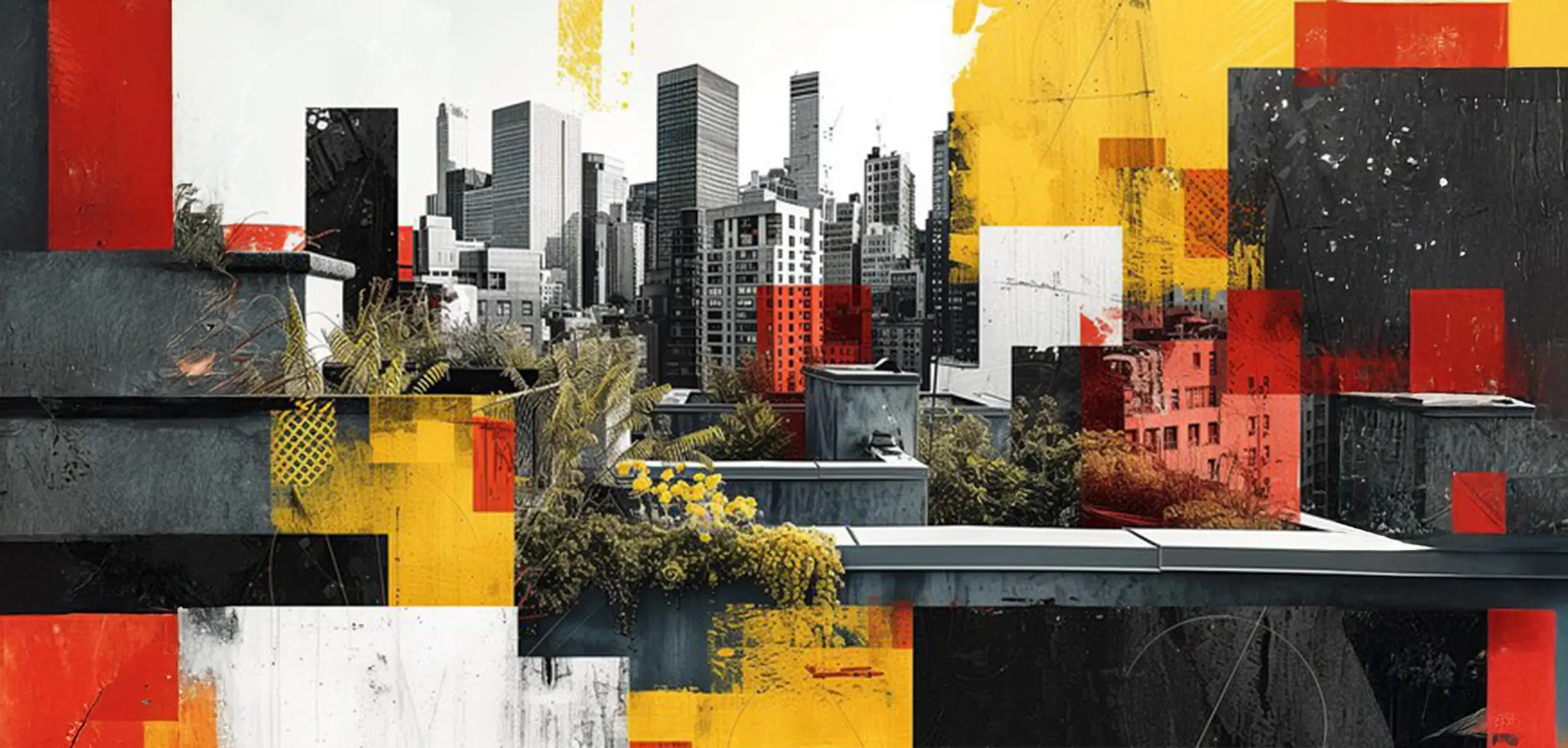







Artificial lights flooding the cities—streetlights, billboards, residential buildings, and illuminated towers—may seem harmless, yet they generate enormous amounts of wasted energy and cause numerous harmful health and environmental effects.
This growing issue has astronomers and even ordinary skywatchers deeply concerned, as light pollution is robbing the night of its natural darkness.
The problem lies in poorly designed lighting fixtures and misdirected floodlights that send beams upward into the sky. The reflected light scatters off particles in the atmosphere and bounces back to Earth, significantly reducing visibility of stars and celestial objects.
Tracing the history of humanity’s use of light takes us back nearly a million years, when humans discovered fire and used it for cooking and warmth.
By the 18th century, cities introduced street lamps powered by oil, followed in the 19th century by gas lamps, until the 20th century brought widespread adoption of electric lighting.
Brighter light does not necessarily mean greater safety. In fact, visibility should be the primary goal. Ironically, harsh lighting creates deep shadows where wrongdoers can hide, while leaving the rest of us fully exposed and illuminated.
The darkest skies in Lebanon are found far from the cities, roughly 100 kilometers away from urban centers.
When night falls, Rani Ahmad, an avid stargazing enthusiast, often sets out with his telescope to remote locations or simply observes the heavens from the balcony of his home in Marwaniyeh, South Lebanon, to admire the beauty of stars and celestial bodies.
Rani’s love for the stars began in his childhood while living in Kuwait, long before he moved to Lebanon and settled near Saida.
He was fascinated by the mysteries of the cosmos, inspired by space documentaries and animated shows that gained popularity during the 1980s space-exploration boom.
“I’ve been observing stars and planets since 2017 with several local astronomy clubs,” Rani says.
“But due to light pollution, there are nights when clear viewing is impossible. Without this pollution, we would be able to see nebulae and stars with the naked eye.”

A photo of Rani on his balcony, stargazing from his home.
The amateur astronomer is passionate about protecting the night sky and dreams of a day when Saida dedicates an “Astronomy Night”—an hour when all city lights are switched off, allowing residents to enjoy an unobstructed view of the cosmos.
Rani is also planning to buy more telescopes to enhance his stargazing experience.
He chooses late-night hours, when the weather is clear and the moon is not full, conditions that make it easier to spot nebulae and star clusters otherwise hidden by light pollution.

A photo captured by Rani from the skies above Saida, showing the sun’s dark spots—caused by variations in the magnetic field—commonly known as sunspots.
Issam Hussein, a young astronomy enthusiast in his twenties and a member of one of Lebanon’s astronomy clubs, organizes numerous stargazing events and introduces participants to the hidden wonders of the universe—from stars and planets to galaxies beyond.
These astronomy clubs collaborate with research centers and universities by sharing the images they capture, especially during new phenomena or significant astronomical events.
Dr. Ahmad Shaalan, the National Coordinator for Astronomical Awareness in Lebanon under the International Astronomical Union, explains that distant celestial objects—such as nebulae and galaxies—are barely visible from urbanized areas.
“To observe them,” he says, “we must go to mountain peaks and high-altitude areas, where the air is thinner and environmental pollution, such as dust particles, is reduced.”
He adds that light pollution is a global problem, not just a Lebanese one:
“Those who design urban lighting systems often don’t care where the light goes—even if it spills into people’s homes through their balconies and windows.”
Brighter light does not necessarily mean greater safety.
Visibility should be the primary goal. Ironically, harsh lighting creates deep shadows where wrongdoers can hide, while the rest of us are left fully exposed and illuminated.
Dr. Shaalan also highlights that Lebanon boasts a number of astrophysicists, some of whom collaborate directly with NASA on joint research projects.
He stresses, however, that if Lebanon wants to make a mark in astronomy and space science, the country needs a national astronomical observatory.
Unfortunately, the Lebanese state is nowhere near establishing one, especially amid the numerous crises the country is already facing.
According to Dr. Shaalan, astrophotography is gaining popularity in Lebanon.
“Many young people are becoming interested in astronomy,” he says, “even though their awareness levels vary significantly. That’s why we are now working with the Educational Center for Research and Development to integrate astronomy into school curricula, eventually extending it to the university level.”

Reducing light pollution is possible through simple behavioral changes.
One of the most effective, affordable, and easiest solutions is to turn off unnecessary lights and avoid keeping outdoor lighting on when it’s not needed.
Small steps like these can help preserve the natural darkness of the night sky.