




Day after day, Sudan’s crisis deepens—leaving devastating scars on the bodies and souls of its people. Yet the world continues to turn a blind eye, distracted by other crises no less tragic.
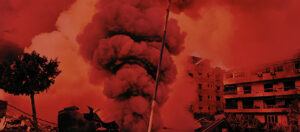
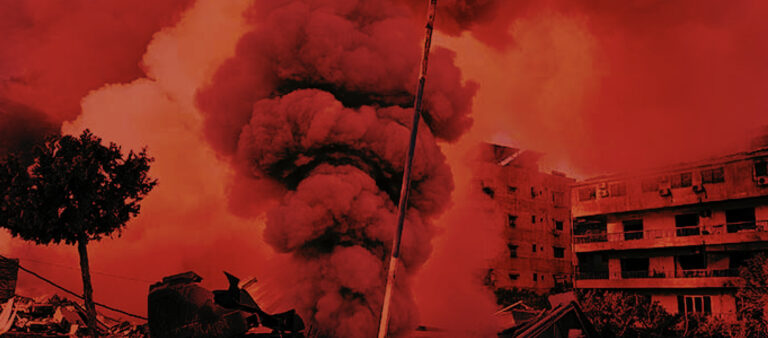
A quick glance at Sudan’s streets reveals horrifying scenes left behind by the ongoing civil war, now in its eighth month. The fighting pits the Sudanese Armed Forces—the country’s official army—against the Rapid Support Forces (RSF). The war has flattened parts of the capital, claimed thousands of lives, displaced countless others, and left millions struggling to meet the most basic needs of survival. Meanwhile, the world remains sluggish, if not indifferent, in extending a helping hand.
Media reports documented a brief lull following three days of brutal fighting in a Darfur refugee camp, where RSF fighters—largely of Arab background—clashed with members of the African Masalit ethnic group. Between 800 and 1,300 Masalit were massacred, their bodies left scattered in the streets.
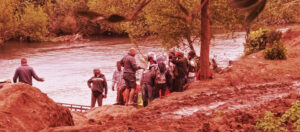
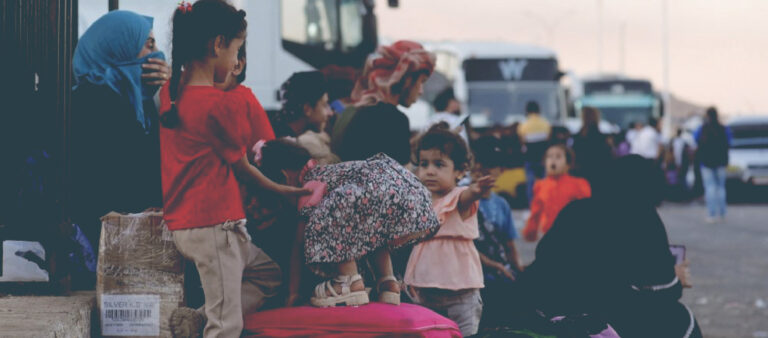
According to official UN statistics, more than six million Sudanese have been forced from their homes by the conflict—an emergency the UN has described as “one of the worst humanitarian crises in modern history.”
Even more disturbing are the images of terrified civilians crowded into what appeared to be a “mass grave,” or being beaten by RSF fighters—allegations the RSF denies. Yet accusations of ethnic cleansing remain at the forefront of Sudan’s tragedies, with no serious investigation—African, Arab, or international—having been launched.
The second crisis is the civil war itself, which has intensified sharply in recent months. The RSF has seized control of much of Darfur, determined to wipe out the Masalit. To achieve this goal, hundreds of civilians have been killed, while thousands more endure suffocating sieges.
“According to official UN statistics, more than six million Sudanese have been forced to flee their homes due to the recent fighting—an emergency the UN has described as ‘one of the worst humanitarian crises in modern history.’ Nearly three-quarters of hospitals and clinics in Khartoum have been shut down as a result of shelling or combat. The few that remain open are struggling with severe shortages of food and medical supplies due to the RSF’s blockade, according to testimonies from staff with the humanitarian organization Médecins Sans Frontières (Doctors Without Borders).”

Source: Reuters
As the crisis worsens and global silence persists, hopes for a ceasefire grow ever dimmer. Both warring sides believe they still stand to gain from prolonging the conflict. At its core, this war is little more than a battle for absolute power between General Abdel Fattah al-Burhan, head of the Sudanese Armed Forces, and General Mohamed Hamdan Dagalo—better known as Hemedti—leader of the RSF. Once allies after the ouster of Omar al-Bashir, they are now locked in a deadly struggle for dominance.
The third tragedy is hunger. The war has devastated Sudan’s economy and banking system, displaced its people, and fractured society into competing factions vying for control. Supply chains have collapsed, driving food prices beyond the reach of ordinary families.
As a result, 20 million Sudanese lack sufficient food, including six million on the brink of famine. Among them, 40% of pregnant women and breastfeeding mothers are already facing near-famine conditions.
Without urgent assistance in the coming months, tens of thousands risk starvation. Yet relief agencies struggle to deliver aid. The Sudanese Armed Forces tightly control Port Sudan—the country’s main import hub—blocking supplies and aid workers from reaching RSF-held territories.
This has left Sudanese civilians trapped between a hammer and anvil: the army’s chokehold on the country’s lifelines, and the RSF’s ethnic cleansing campaign in Darfur. Together, they have created a fourth layer of suffering: the world’s absolute indifference.
The African Union appears largely unmoved, clinging to its policy of non-intervention in members’ affairs—just as it did during Ethiopia’s Tigray conflict, which claimed between 385,000 and 600,000 lives.
Nor is the AU the only absentee. The UN Security Council has also remained paralyzed, offering nothing more than “informal consultations.” This inaction stems not from geopolitical stalemates, as with Ukraine or Syria, but from sheer neglect.
Global powers such as the United States show little more concern. Washington’s focus remains fixed on Ukraine and, more recently, on Israel’s war in Gaza against Hamas.
Even regional neighbors have offered little beyond symbolic gestures. The most prominent effort, the Jeddah peace talks, collapsed under the weight of the warring parties’ refusal to ease the humanitarian crisis. Violence rages on, and ceasefire attempts—intended to allow aid deliveries into contested areas of Darfur and Kordofan—have consistently failed.
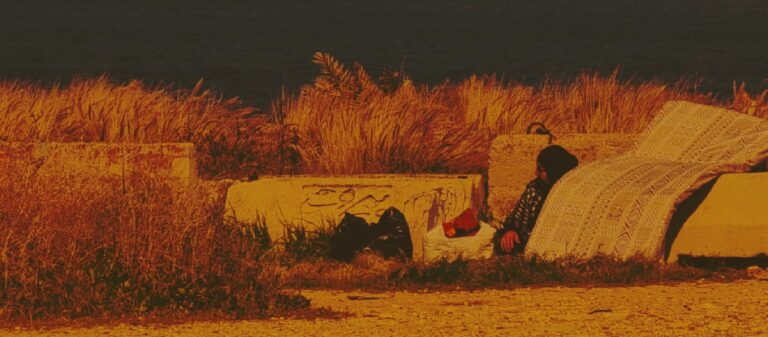
For now, Sudan’s people have little choice but to flee the machinery of war and wait for what little food or medicine international aid groups might deliver—if the army allows it in, and if militias do not seize it first.