




Menstruation is still tied to social, cultural, and workplace shame—just like anything else related to women’s bodies. From a young age and well into adulthood, girls are taught to feel embarrassed about a natural biological process: hiding sanitary pads in black bags, speaking of it only in whispers, and carrying constant anxiety. Some religious beliefs and traditions still insist that prayers offered during menstruation are “impure” and thus unheard.
Menstrual-Related Problems
For marginalized women living under patriarchal societies, periods are already a burden on their own—but the problem intersects with many others. In Southern Africa, for example, an estimated 30% of girls miss school during their periods because they cannot access sanitary pads, a phenomenon known as period poverty. It disproportionately affects low- and middle-income communities.
Some religious beliefs and practices still hold, to this day, that girls’ prayers during menstruation are unheard because they are considered impure.
The World Bank estimates that 500 million girls and women worldwide are unable to access menstrual hygiene products—a reality that has a serious impact on their health and education. Notably, the problem goes beyond the lack of sanitary pads: it also includes the absence of water and cleaning supplies needed for personal hygiene, as well as difficulty accessing appropriate healthcare.
The Lebanese War Has Worsened Conditions for Displaced Women
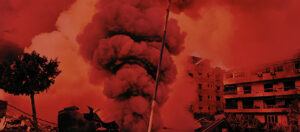
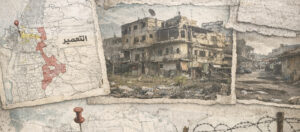
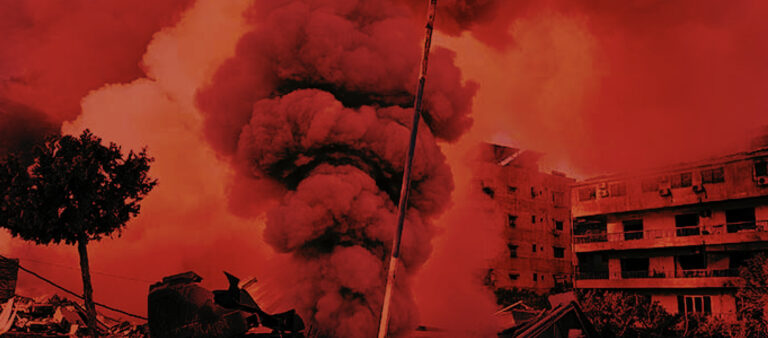
During the Israeli attacks on Lebanon on September 23, 2024, women could no longer exercise their basic human rights with ease. Securing sanitary pads became extremely difficult, forcing them to use pieces of cloth instead. For this reason, they wished… Some women wished their periods would not come during the war to avoid embarrassment.
Zahraa, a mother from the South whose 13-year-old daughter had just started menstruating, said she struggled to secure sanitary pads for her daughter during this difficult and sensitive time. She told Silat Wassel that such disregard for basic human needs is unacceptable from a country that once knew freedom, democracy, and education.
She continued:
“I never imagined I would have to handle such a sensitive matter with my daughter in such a humiliating way. Instead of teaching her and helping her understand the biological, emotional, and hormonal changes she was going through—and celebrating this milestone in the best possible way—I was struggling to find sanitary pads.”
She ended up replacing them with cloth, which later caused her infections in the sensitive area.
“We lived through the worst kinds of abuse during the war, losing our money, livelihood, home, and even our womanhood.”
She added:
“We endured the worst forms of abuse during the war—losing our money, livelihoods, homes, and even our womanhood. The war wasn’t the only cause of our suffering; the economic crisis made us feel deprived and defeated. Since the start of the crisis in 2019, I had to leave my job because my salary didn’t even cover commuting costs. I’ve felt deprived ever since.”
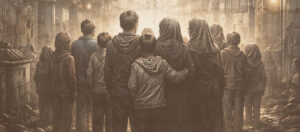
Zahraa’s story is not unique—it is the story of thousands of Lebanese girls who are socially, emotionally, and economically abused, especially during times of war.
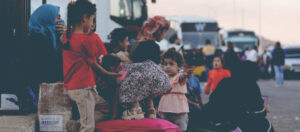
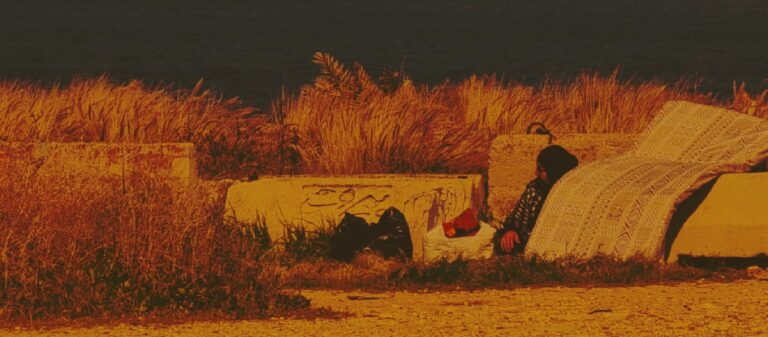
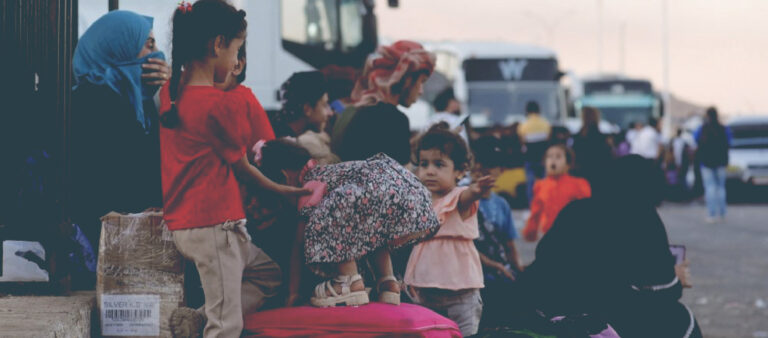
Esraa, from the southern suburbs, received no support—neither healthcare nor financial aid—to purchase sanitary pads. She took no painkillers and did nothing to manage her cycle, simply because she wasn’t prepared for it and her priorities were food, water, and shelter.
“When it came to our feminine needs—pads, painkillers, hygiene products, food—they were treated as luxuries. We fled the southern suburbs to a high school in Dekwaneh, Beirut, which was considered safe. Living through the war as women meant struggling in the smallest details. Access to toilets was a daily challenge due to overcrowding. Women could change their pad only once a day, which hurt our morale and increased the risk of infections and fungal growth.”
The Negative Impacts of War on Women
The World Health Organization warns of war’s negative impacts on women.
In an interview, Dr. Marie Nassif-Debs, president of the Mouasat Association, noted that women in Lebanon remain marginalized—stemming from the content of sectarian personal status laws—which affects every sector, from production to culture, technology, and finance.
These personal status laws have also hindered the political advancement of women. The limited number of women in parliament and government reduces the ability to set sound policies across all areas of life, including reproductive health. The women’s movement, too, remains weak and fragmented.
All this, she said, pushes for action on two levels:
1- Grassroots organizing – working with women at the community level to build a mass movement with clear influence.
2- Political and media advocacy – pairing public awareness with legislation across all sectors of life, especially in matters related to health.
She added that women’s associations have supported displaced women, but not to the extent needed due to limited financial resources. Current campaigns are focused on purchasing and distributing essential warm clothing for the winter season.
Only 30% Received Assistance
In her interview with Silat Wassel, Debs noted that displaced women in public shelters made up less than 50% of the total displaced population, which was close to one million Lebanese. As for those who received adequate and sufficient assistance, the percentage did not exceed 30%.