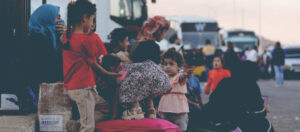

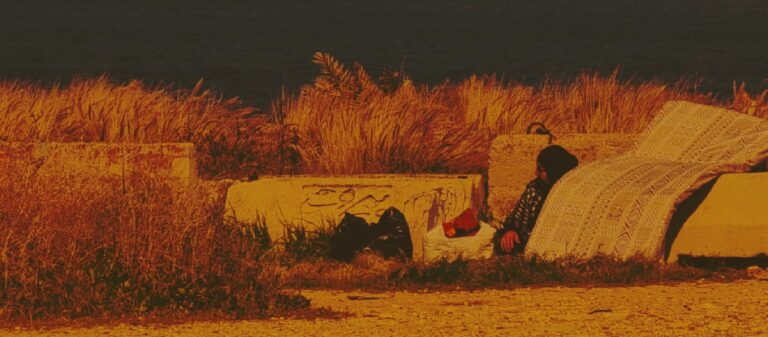
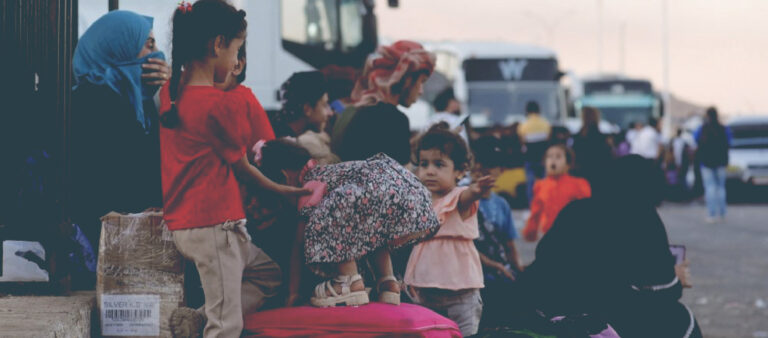







Displaced people from the South to the Sidon area are still facing major difficulties in various aspects of life. Dozens of families have left their cars parked along main roads, spending the night inside them and the day searching for a shelter center or an apartment to rent.
Shelters established by the Municipality of Sidon are overcrowded with displaced families. Their number has exceeded ten thousand people distributed across 24 shelters. Meanwhile, thousands of other displaced individuals are staying in guest houses or rented homes.
Over the past two days, statements have been issued by municipalities surrounding or near Sidon imposing strict conditions on Lebanese citizens who were forced to leave their homes in order to allow them to rent apartments or stay with relatives or friends.
There is no disagreement that municipalities have the right to obtain the names of displaced people as part of social responsibility, not for security screening of Lebanese citizens. At the same time, most shelters still lack necessary equipment such as mattresses, blankets, and pillows, as well as essential services.
Yesterday, Prime Minister Judge Nawaf Salam visited Sidon to assess the situation of the displaced. The meetings were described as “successful,” and everyone spoke about the displaced and the importance of caring for them, while acknowledging the inability to secure the necessary supplies and essential needs. The Prime Minister promised those present that the authorities are contacting Arab countries to obtain some assistance that could be distributed to the displaced.
Most shelters still require essential supplies such as mattresses, blankets, and pillows.
This atmosphere reflects a short sighted understanding among officials of the current positions of Arab countries, which differ from their stances during the previous war. It is also noticeable that international organizations remain largely absent in providing assistance to the displaced. This situation once again suggests that crisis committees and relevant ministries spent their time in unproductive discussions instead of preparing and storing supplies to confront a severe crisis like the one currently unfolding.
People still remember large quantities of food supplies that had been stored since 2025 in the Sports City complex and in warehouses at the port. It now appears that the high temperatures Lebanon experienced recently may have contributed to the disappearance of much of that aid.
This situation indicates that crisis committees and relevant ministries had been spending their time in unproductive discussions.
A notable development in Sidon today was a meeting called by the Municipality of Sidon, attended by the city’s two members of parliament, political groups, and civil society organizations to discuss cooperation and coordination among local actors to support the displaced. The meeting was held in response to the controversial concept of “partnership” promoted by the municipal council. As often happens in Lebanese politics, the meeting ended with the formation of an eight member follow up committee. Based on past experience, such committees often become mechanisms to approve what the municipal council or decision makers already want, rather than to develop genuine participatory policies, especially in the absence of real resources to meet urgent needs.
Who Will Pay the Price?
Certainly the people who are unable to return to their homes, the absence of assistance for them, and their transformation into a constant media spectacle for the authorities under the slogan: “Look at me, Munira.”